Diamond 2 Color Fonts: Elevate Your Valentine's Day Designs
Imagine a font that doesn’t just spell out words, but paints them with vibrant, multi-colored strokes, instantly capturing the warmth and affection of Valentine’s Day. This is the promise of modern color typography, and it’s a game-changer for designers seeking to infuse projects with immediate emotional impact and visual flair. For those exploring innovative creative assets, understanding how to leverage these tools is key to standing out.
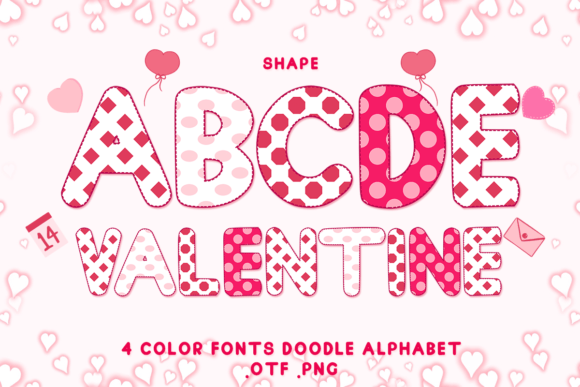
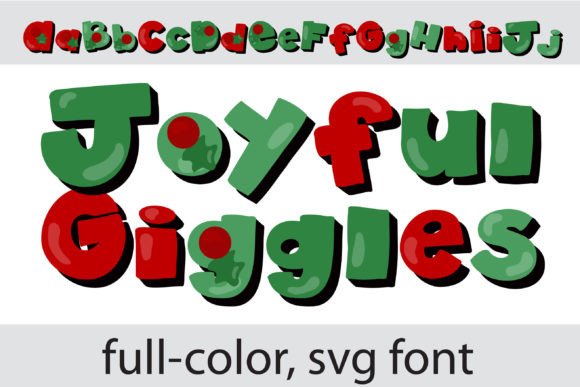
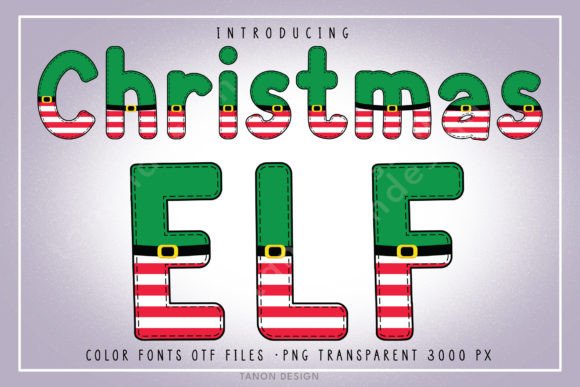
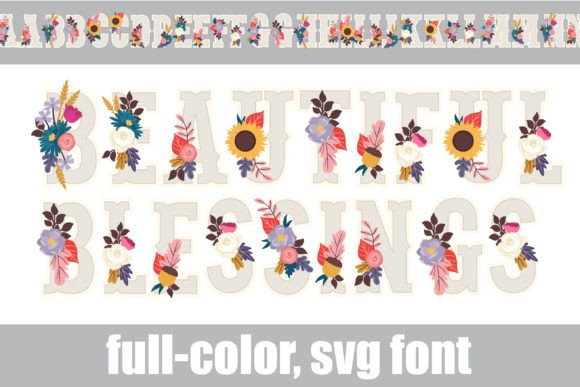
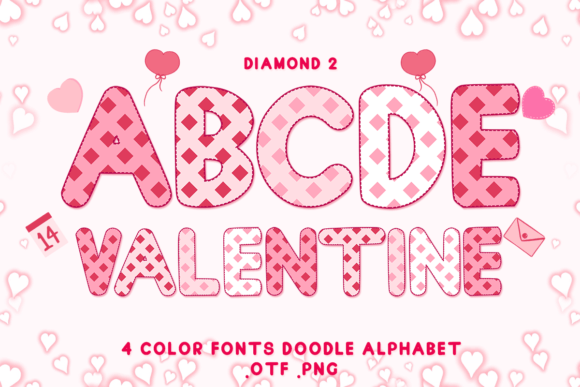
Color fonts, specifically OpenType-SVG fonts like Diamond 2, represent a significant evolution in typography. Unlike traditional single-color typefaces, these files embed SVG (Scalable Vector Graphics) data directly into the font file. This allows each glyph to contain multiple colors, gradients, and even textures, creating a complete illustrative design within a single character. For graphic design professionals, this means unlocking a new dimension of visual communication without the need for complex layering or additional graphic software steps.
Practical Applications for Modern Design Projects
The true power of a versatile color font lies in its application across diverse creative projects. Its ability to convey a specific mood or theme instantly makes it an invaluable asset. Consider its role in strengthening brand identity for seasonal campaigns or special editions. A well-chosen color font can become the centerpiece of a visual hierarchy, guiding the viewer’s eye and establishing a memorable aesthetic.
Key Uses for Vibrant Typography
- Branding and Logo Design: Create distinctive, celebratory logos for holiday sales, event branding, or product lines aimed at gifting seasons.
- Marketing Materials: Design eye-catching posters, flyers, and digital ads where the typography itself becomes a compelling graphic element, enhancing readability and engagement.
- Social Media Content: Craft scroll-stopping Instagram stories, Facebook posts, and Pinterest pins. Color fonts excel in short, impactful headlines where visual appeal is paramount.
- Web and UI Design: Use for hero section call-to-action buttons, special promotional banners, or interactive elements where a burst of personality improves the user experience (UX).
- Packaging and Print Design: Add a premium, tactile feel to gift tags, greeting cards, boutique packaging, and editorial layouts for magazines or lookbooks.
- Digital Products and Merchandise: Enhance the perceived value of digital downloads, e-book covers, or branded merchandise like t-shirts and mugs with unique, pre-colored typographic art.
Integrating Color Fonts into Your Design Workflow
When selecting a color font like Diamond 2, it’s crucial to evaluate its compatibility and intended use. Since this product is an OpenType-SVG font, it is designed for applications that support this format, such as Adobe Photoshop, Illustrator, Silhouette Studio, and Inkscape. This compatibility ensures the full color and vector quality is preserved, which is essential for professional print design and high-resolution digital output.
However, it is important to note that OTF and TTF files of this nature are not compatible with cutting machines like Cricut. For designers working in the craft and cut-file space, verifying software support is a critical step in the design workflow. Always consult comprehensive resources, such as an ultimate font guide, to understand file types and platform limitations before starting a project.
For maximum impact, use color fonts strategically. They are most effective for headlines, logos, and short bursts of text where their intricate details can be appreciated. Pair them with simpler, neutral sans-serif or serif fonts for body copy to maintain readability and establish a clear visual hierarchy. Consider the existing color palette of your design; the colors embedded in the font should complement or intentionally contrast with your overall scheme to create a cohesive and polished professional presentation.
Ultimately, the thoughtful selection of typography is a cornerstone of effective visual design. Quality creative assets like a well-crafted color font do more than decorate a page—they communicate mood, establish brand personality, and create a more engaging user experience. By choosing resources designed with both aesthetic appeal and practical application in mind, you empower your projects to connect with audiences on a deeper, more visually resonant level.