Retro Stripes: Elevating Modern Design with Vintage Charm
Imagine a design element that instantly evokes nostalgia while feeling fresh and contemporary—this is the power of Retro Stripes. In the dynamic world of graphic design, where visual trends constantly evolve, incorporating retro-inspired elements can bridge timeless appeal with modern aesthetics. Retro Stripes offer a versatile pattern that enhances branding, digital content, and print projects with a distinctive, eye-catching flair. By blending vintage motifs with today’s design standards, these stripes help creators craft memorable visuals that resonate across audiences.
At its core, Retro Stripes is more than just a pattern; it’s a strategic tool for visual communication. Its rhythmic lines and bold contrasts can guide the viewer’s eye, establish visual hierarchy, and inject personality into any project. Whether you’re designing a logo, packaging, or social media graphics, this style taps into a sense of authenticity and warmth. For instance, pairing Retro Stripes with complementary color palettes can strengthen brand identity, making logos or marketing materials more recognizable and emotionally engaging. In UI design, subtle stripe accents can improve user experience by adding texture without overwhelming content.
Practical Applications Across Creative Projects
The versatility of Retro Stripes makes it suitable for a wide array of design needs. Here’s how you can integrate it effectively:
- Branding and Logo Design: Use stripes to create dynamic logos that stand out in competitive markets. They work well for brands aiming for a retro, playful, or artisanal vibe.
- Marketing Materials: From flyers to digital ads, stripes add energy and structure. They can highlight key messages or create visual flow in layouts.
- Social Media Content: Instagram posts, stories, or banners gain instant appeal with stripe backgrounds, helping to boost engagement and shareability.
- Website and UI Design: Incorporate stripes as dividers, headers, or background elements to enhance visual interest without sacrificing readability.
- Packaging Design: Stripes can evoke nostalgia and quality, making products feel handmade or premium. They’re ideal for food, cosmetics, or lifestyle brands.
- Editorial Layouts: In magazines or blogs, stripes can section content, frame images, or add a decorative touch to typographic compositions.
Tips for Effective Implementation
To maximize impact, consider these practical guidelines when using Retro Stripes:
- Maintain Consistency: Align stripe colors, widths, and orientations with your existing brand system. Consistency reinforces recognition and professionalism.
- Prioritize Readability: Ensure text overlaid on stripes remains legible. Use solid backgrounds or subtle opacity adjustments to balance contrast.
- Scale Thoughtfully: Adapt stripe size to the medium—bold for posters, delicate for web elements. Test scalability across devices and print formats.
- Combine with Modern Elements: Pair stripes with contemporary typography, minimal layouts, or clean imagery to avoid a dated look. This fusion creates fresh, relevant designs.
- Evaluate Audience Expectations: Understand your target demographic’s preferences. Retro styles often appeal to audiences valuing heritage, creativity, or authenticity.
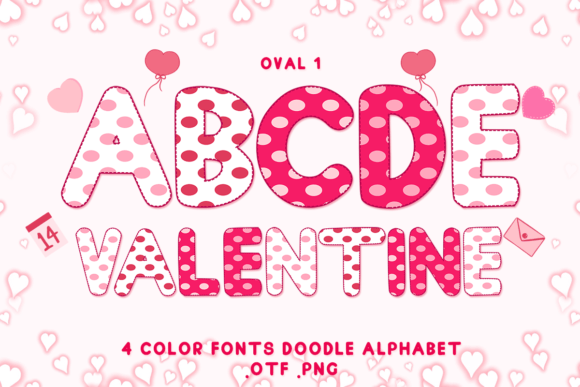
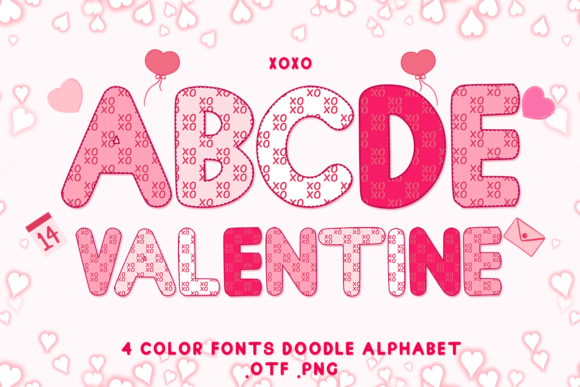
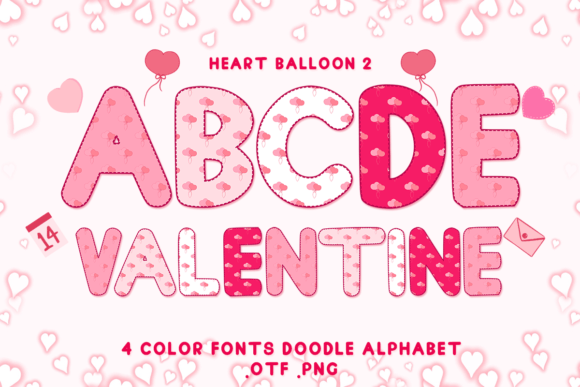
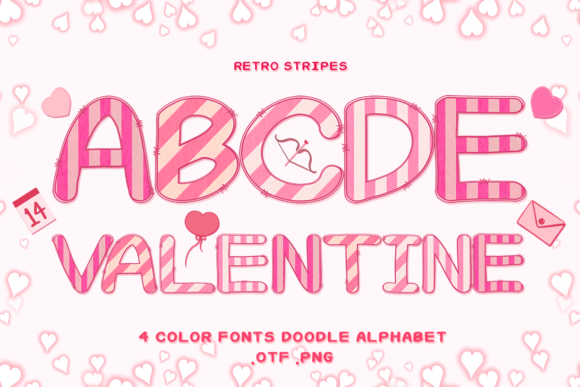
Typography plays a crucial role in complementing patterns like Retro Stripes. For example, pairing them with color fonts—such as those designed for Valentine’s Day or other themes—can amplify visual storytelling. These fonts, especially in OpenType-SVG format, allow for vibrant, multi-colored text that integrates seamlessly with stripe patterns. However, always verify software compatibility; while tools like Photoshop and Illustrator support color fonts, others may require specific workflows. Checking resources like font guides ensures smooth implementation in your design workflow.
Ultimately, thoughtful design choices elevate both aesthetics and communication. By leveraging assets like Retro Stripes, designers and creators can produce work that is not only visually compelling but also strategically effective. Whether enhancing brand identity, improving user engagement, or simply adding joy to creative projects, quality elements empower you to tell richer stories. Embrace these tools to refine your visual language, and watch as your designs connect more deeply with audiences—proving that great design is always in style.